
My dad has always been a “build it with your hands” kind of person. Weekends meant wood shavings on the garage floor, a bike leaning against the fence, and tomatoes lined up on the kitchen windowsill. He’s not a complainer, and he’s definitely not a gadget guy.
But a couple of years ago, the nights got louder and the mornings got heavier. He woke up groggy, rubbed his eyes at breakfast, and joked about needing “a new operating system.” We tried the usual stuff you find in the aisle—sprays, strips with sticky glue, a clunky device or two. Nothing felt like it stuck as a habit.
What my dad kept saying wasn’t complicated:
“I just want something simple that helps me use my nose more at night.”

He didn’t want a diagnosis from me, and I’m not a doctor. We were just looking for a comfortable, non-invasive way to encourage nose breathing at bedtime—something minimal, not a commitment of wires or whirring machines.
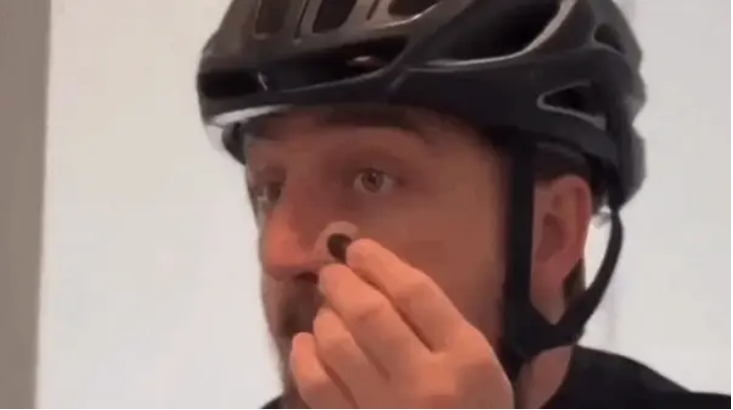
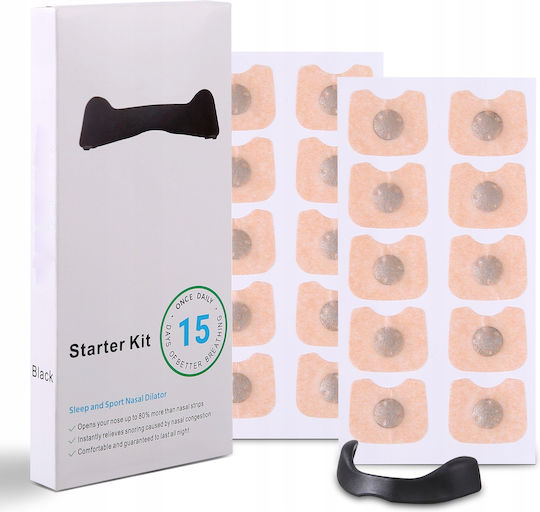
That’s how we landed on a small, lightweight nasal strip with two gentle magnetic points designed to sit across the outside of the nose. It’s called Vita O2 nasal strips. He tried it one night and, the next morning, said what mattered most to him:
“It felt comfortable. I could focus on breathing through my nose.”
That was it. No fireworks. Just a small change that he liked enough to keep using.
What This Little Strip Actually Is
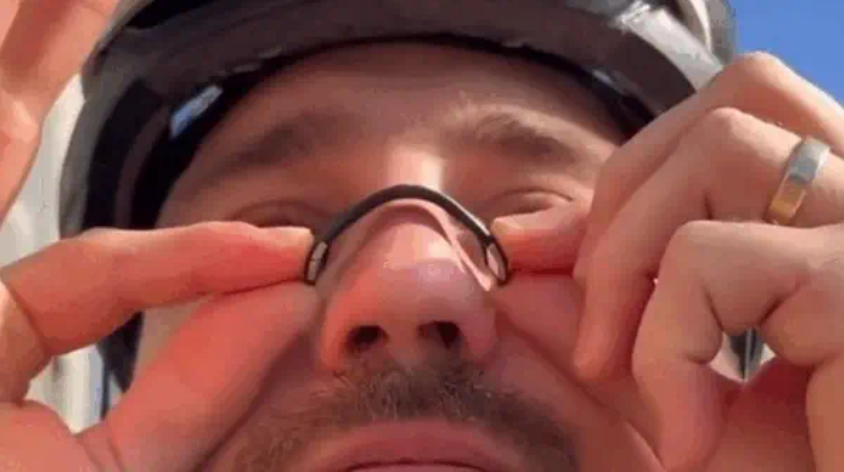
At first glance, it’s almost nothing: a slim connector with two soft magnetic nodes. It sits on clean, dry skin and takes a couple of seconds to place. There’s no inner-nose insertion; it rests externally and aims to feel low-profile and out of the way once positioned.
✅ Low-profile design: Made to feel unobtrusive under a sheet or sleep mask.
✅ Gentle magnetic points: Provide a light, consistent hold—no batteries, no charging.
✅ Skin-friendly materials: Designed for comfort on clean, dry skin through the night.
✅ Quick on/off: Dad likes that it’s a one-step routine—place, adjust, done.
He tells me it helps him encourage nose breathing rather than mouth breathing when he’s winding down. That sense of “ah, I’m using my nose more” is all he was looking for.